Dress Code: A Modern Sans Serif Font for Digital Marketing
In the fast-paced world of digital marketing, first impressions matter. Whether you're designing a social media post, a website banner, or an email header, your typography choices can make or break audience engagement. Dress Code, a modern sans serif font family, offers a clean, versatile, and highly readable solution that aligns perfectly with the needs of marketers, content creators, and designers.
What Makes Dress Code Stand Out?
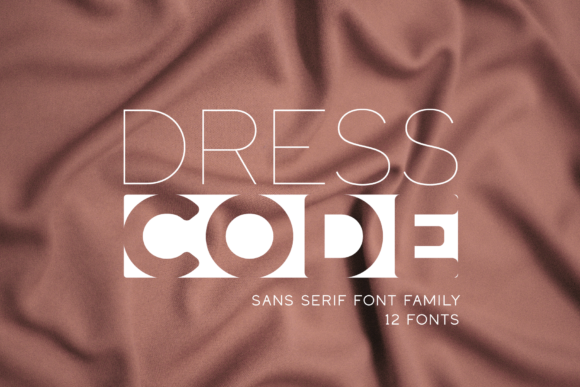
Dress Code is more than just a font—it's a strategic design tool. With 12 fonts in 2 styles and 6 weights, it provides flexibility for any visual need. Its unique glyphs and balanced proportions create a sleek, contemporary look that works across multiple platforms. The font’s minimalist aesthetic makes it ideal for brand identity, while its readability ensures that messages are clear and impactful, even at smaller sizes.
The modern personality of Dress Code lends itself well to a wide range of industries—from tech startups to fashion brands. It balances professionalism with approachability, making it suitable for both corporate messaging and creative campaigns.
Where to Use Dress Code in Your Campaigns
Dress Code is particularly effective in short-form content where clarity and visual hierarchy are crucial. Here are some practical applications:
- Social Media Graphics: Use Dress Code for headlines in Instagram posts, Pinterest pins, or Facebook ads. Its bold weights can grab attention, while lighter variants work well for captions or callouts.
- YouTube Thumbnails: The font’s crisp lines ensure legibility even on small screens, making it perfect for video titles and channel art.
- Email Headers: Incorporate Dress Code into email subject lines and headers to improve open rates with a clean, professional appearance.
- Website Banners: Use the font for hero sections, landing page titles, or CTA buttons. Its versatility allows it to adapt to both minimalistic and dynamic layouts.
- Digital Ads: From Google Ads to display banners, Dress Code ensures your message is read quickly and remembered easily.
For example, if you're launching a seasonal promotion, use Dress Code for the headline “Winter Sale: Up to 50% Off” in a bright color. Pair it with a complementary sans serif font for body text to maintain visual balance and readability.
Creating Stronger Visual Hierarchy and Brand Recognition
Typography plays a key role in how audiences perceive your brand. Dress Code helps establish a consistent visual language across all digital touchpoints. By using the same font for headlines, logos, and promotional materials, you reinforce brand recognition and build trust with your audience.
Its clean lines and structured shapes contribute to a professional feel, which is especially useful for personal branding or business websites. When used consistently, Dress Code becomes synonymous with your brand’s voice and style.
Consider using the heavier weights of Dress Code for headlines and the lighter weights for subheadings or supporting text. This contrast enhances visual hierarchy and guides the reader’s eye through the content effectively.
Readability Across Devices and Platforms
In today’s mobile-first world, readability on smaller screens is essential. Dress Code is designed with this in mind. Its optimized letterforms ensure that text remains legible even when scaled down, making it ideal for thumbnails, app icons, or social media previews.
When designing for fast-scrolling feeds, keep text concise and use Dress Code to highlight key messages. For instance, a product teaser with the text “New Arrival: Limited Edition” in bold Dress Code will stand out instantly against a busy feed.
Font Pairing Strategies for Maximum Impact
To avoid monotony and add depth to your designs, consider pairing Dress Code with other fonts. A clean sans serif font like Helvetica or Arial can complement it for captions or body text, creating a cohesive yet dynamic look.
If you want to add a touch of elegance, try combining Dress Code with a serif font such as Georgia or Times New Roman for a more editorial or premium feel. This combination is great for blog posts, magazine-style layouts, or packaging design.
For a bolder statement, pair Dress Code with a script or handwritten font in accents or decorative elements. This adds creativity without compromising readability.
Real-World Examples of Dress Code in Action
Imagine promoting a webinar with the title “Mastering Social Media Marketing.” Using Dress Code in a bold weight ensures the title is immediately noticeable. Pair it with a light sans serif font for the date and time details, keeping the layout clean and easy to scan.
Another example: a branded template for an online shop. Use Dress Code for section headers like “Featured Products,” “Best Sellers,” and “New Arrivals.” The font’s modern look reinforces the brand’s innovative image while maintaining clarity and consistency throughout the site.
For a personal branding project, use Dress Code in your logo, bio, and social media bios. Its clean, professional aesthetic supports a strong first impression and builds credibility with your audience.
Licensing and Practical Considerations
Before incorporating Dress Code into client projects, ads, or digital products, ensure you have the appropriate commercial license. Many premium fonts require specific permissions for use in advertising, merchandise, or web-based content. Always review licensing terms to avoid legal issues and protect your brand’s integrity.
Dress Code is not just a font—it's a powerful tool that elevates your digital communication. Whether you're crafting campaign visuals, building brand assets, or optimizing user experience, its modern design and functional versatility make it an essential addition to your design toolkit.